community
i've spent ten years building places where people actually want to be. Not audiences, not follower counts, but rooms, online and in person, where someone walks in and feels like they belong there.
i've done this across music venues, festivals, nightlife, and brand partnerships, usually from scratch, usually somewhere with no playbook and no precedent. different industries, same problem underneath: people will join almost anything once, and stay only if something holds them.
“nabila has a unique talent for building communities, fostering connections, and creating a sense of belonging.”
-
5000+ members, up from 175
most organizations treat community as a broadcast channel. i treat it as a place with a door, a host, and a reason to come back. that shift is usually what turns a quiet server into a real one.
the work itself is unglamorous. showing up daily, learning names, noticing who's gone quiet, and building rituals people look forward to. at elsewhere i took a discord of 175 people to over 4,000 in two years, the only venue community in new york at that scale. the artist ama series came from noticing fans wanted access and artists wanted connection, and nobody was making room for either. engagement rose 39%, retention 24%, but what i remember is how many regulars came out of it.
i've since found the same thing holds in wildly different rooms. running daily engagement for a 2,000-member art collective at refraction taught me most communities lose people in the first week, before anyone's had a chance to feel welcome. we rebuilt onboarding around that and churn dropped 42%. the context changes. the first week always matters.
-
20 → 300+ guests per event
online is where a community lives day to day. Events are where it becomes real. people remember the night they met someone, not the thread they scrolled.
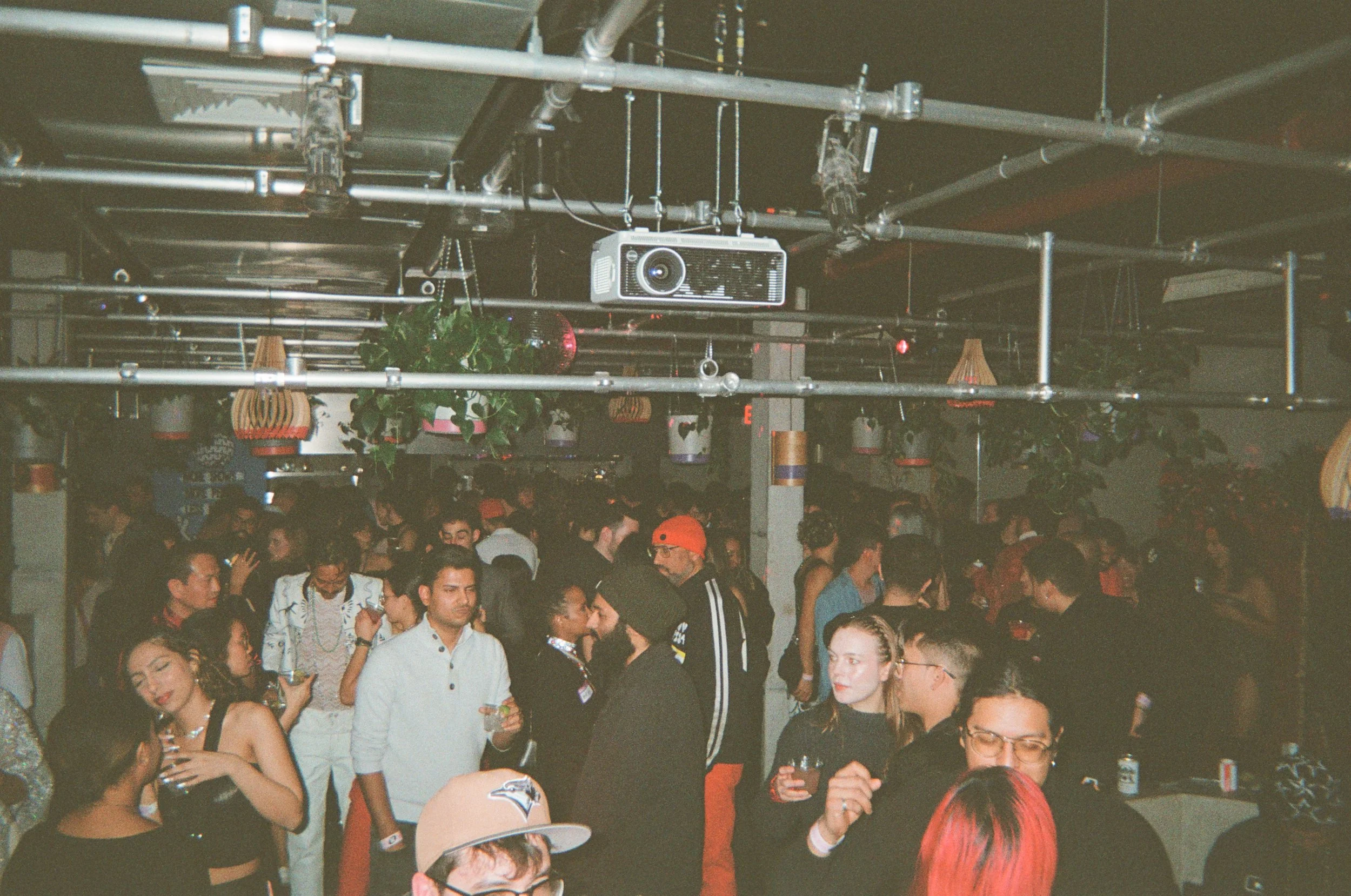
i came up in new york hospitality, fifteen years across venues like home & guesthouse, 1oak, and marquee, which is where i learned that the details nobody notices are the ones doing all the work. i've since produced everything from twenty-person supper clubs to three-hundred-person parties, handling budget, vendors, talent, promotion, and hosting. the part i care most about is that a guest never sees any of it. they just walk in and have a good night. see the gallery →
-
the programs i built
membership is how you find out who your community really is. you stop guessing and start asking.
my process is the same regardless of the organization: talk to members directly, survey what they actually want, then beta test with them before launching anything. the membership program i co-developed at elsewhere grew to over 1,500 members by the time i left, and it's still running years later, which i credit entirely to building it with members rather than for them.
ambassador programs work on the same principle, just smaller and more deliberate. we chose fifteen people out of hundreds of applicants, and i pushed hard for a group genuinely mixed in age, background, profession, and taste, because a community that all looks the same isn't really a community. it grew past fifty, tripled social engagement, and became one of the biggest reasons people showed up.